This month's blog is meant to stimulate discussion.
Today transfusion medicine (TM) associations are largely composed of medical laboratory technologists*, nurses, and physicians and not in equal numbers. In many TM associations, from most to least, it's often technologists -->physicians-->nurses, although the number of nurse members is growing. Other groups also belong to TM associations, e.g., scientists, recruiters, administrators, industry representatives, etc. But for purposes of this blog, I'll stick to the doc-tech-nurse troika, where a "doc" could be an MD or PhD level scientist or MD-PhD.
So why is it that at many conferences the speaker list is mostly docs with technologists and nurses a definite minority on the programs? Today more non-doc health professionals are speaking at conferences than in the past, but there is still a way to go.
And there may be a difference between countries as well. A quick glance at the AABB program shows something for all, as shown by Saturday's program for 2007
Similarly the May CSTM conference program had a selection of topics targetted at techs and nurses, with speakers from each group.
It may be my imagination but are there fewer non-docs in this Down Under program?
Possible rationales for the preponderance of doc speakers at TM conferences:
1: Annual meetings are scientific conferences and docs do the bulk of research. True, but should not conferences represent the interests of all an association's members? And there are many topics that involve research and best practices that could be presented by non-docs.
2. Only docs can afford to go to conferences these days, or possibly are better funded by their employers. And docs tend to listen only to other docs. Okay, this one's slightly tongue-in -cheek...
3. It's a hangover from the old days when the physician was the paternalistic "captain of the health care ship", in which "father knows best". See
As someone who has spoken at many conferences over the years, I know that presenting is heavy lifting. It's more onerous if you need to create a brand new talk, as opposed to updating the same talk given many times before.
But there are many types of heavy lifting. For example, if you examine TM conference organizing committees, in Canada it's typically a physician who is the conference chair, co-chair, or scientific chair and he or she works long hours as a dedicated volunteer. However, it's often technologists who do most of the heavy lifting required to put on a successful conference. And usually their trench work happens after hours, eating into family, relaxation, and recreational time. The case can be made that it's a matter of technologists being more numerous than docs, but I suspect that it's more than that.
Volunteering is wonderful but it's only just that the load be shared equitably. I'm unaware of the situation in other countries that rely heavily on volunteers to organize conferences.
As an aside, I use the term volunteer loosely as sometimes staff are told they are volunteering.
In summary, many presentations by docs are relevant and of interest to non-docs. But it benefits everyone when all professionals in the TM community are active participants in the presentations at conferences, not relegated mainly to trench duties, and when every team member's expertise is validated by the honour of being an invited speaker.
I think it's a sign of a discipline's maturity and strength when there are lots of non-docs on the conference program. It would be nice to see more docs on organizing committees too.
Just some food for thought....
------------------------------------------------
* also known as clinical laboratory scientists, medical laboratory scientists, and biomedical scientists
Tuesday, July 03, 2007


Tuesday, June 05, 2007
Informed consent for transfusions - take this job and shove it?
If you know someone who has had a transfusion recently, ask them if a physician or nurse explained the risks and benefits and, if during or after their hospital stay, they were notified in writing that they were transfused. Chances are, maybe not, even though both policies have been promoted as best practice for years now.
In Canada more than a decade ago Justice Krever (Commission of Inquiry on the Blood System in Canada), made recommendations on informed consent and documentation:
To meet best practice standards most transfusion services in Canada are actively promoting informed consent and documentation:
In Canada more than a decade ago Justice Krever (Commission of Inquiry on the Blood System in Canada), made recommendations on informed consent and documentation:
- Capen K. Informed consent and blood transfusions: what does Krever's interim report mean to doctors? CMAJ 1998 Jan 13;158(1):92-4.
- In March 1995 the Krever inquiry released an interim report, which contained a strong warning that the informed-consent requirement applies specifically to the administration of blood or blood products, and the routine consent form signed upon admission to hospital does not fulfil this requirement.
- It also said physicians should prepare patients well in advance of scheduled surgery to give them adequate time to consider reasonable alternatives.
- As well, doctors should provide information on these alternatives.
- The interim report said doctors must ensure that documentation occurs every time consent is provided, and that all treatments or procedures are recorded in the chart.
- Killion DF, Schiff PD, Shoos Lipton K. Informed consent: working toward a meaningful dialogue (editorial) Transfusion 2007 Apr;47 (4), 557-8.
- Rock G, Berger R, Filion D, Touche D, Neurath D, Wells G, Elsaadany S, Afzal M. Documenting a transfusion: how well is it done? Transfusion 2007 Apr;47(4):568-72.
- In 75% of cases the physician had not documented that any discussion had occurred regarding the risks and/or benefits or alternatives.
- Only 12% of charts included information that patients were subsequently told what blood components were transfused.
- The discharge summary recorded transfusion information in 32.1% of cases whereas the consult note had this information in 26.3%.
- Perform more studies to determine how widespread informed consent is
- Change the current model of informed consent so that, instead of relying heavily on physicians, who bear ultimate legal responsibility for transfusion, trained transfusion staff be used to obtain informed consent.
To meet best practice standards most transfusion services in Canada are actively promoting informed consent and documentation:
- TraQ resource library - Informed consent
CHANGE THE MODEL?
Informed consent for transfusions - whose job is it, anyway? Is the answer to change the model and shift obtaining informed consent to trained transfusion staff? And who would these staff be? Nurse transfusion specialists? Transfusion safety officers, whether medical laboratory technologists or nurses? In some Canadian hospitals nurses already handle informed consent. What problems may this shift to transfusion staff potentially create for physician responsibility for transfusion when the inevitable mistakes are made?
In pondering the issue of shifting responsibility for informed consent, I could not help but think of a shift in responsibility that happens in some rural hospitals. In towns where the laboratory is not staffed after hours by technologists, nurses are asked to issue blood from the transfusion service. Presumably they are trained in issuing procedures, but how well is open to debate. And in some locales nurses have refused to issue blood, claiming it is an effort to shift work from the laboratory to the nursing staff, in effect making nurses subsidize the lab service, which saves money by not running the lab after hours.
Is the suggestion of a new model as proposed by the Transfusion editorial another example of offloading responsibilty to others, others who are supposedly less busy than physicians? Or is this view too cynical? With patient safety coming first (not politics), is the proposed model simply a pragmatic view - do what works best for the patient. Regardless, any new model must proactively deal with potential problems caused by a shift in responsibilty for informed consent to transfusion staff.
Lastly, how representative is the Rock study of Canadian hospital performance in obtaining informed consent from patients and providing written documentation of transfusion? We can only speculate. If you are not Canadian and think your hospitals perform better, my quess is, think again. The problem is likely widespread in the USA, the UK, and elsewhere. You will not know without extensive audits.
Clearly, much work remains to be done in fulfilling some of Justice Krever's most basic recommendations. In the meantime, informed consent seems to a case of take this job and shove it!
**Be sure to check out the "comments" section below.**
Monday, May 07, 2007
"STOP! Check the patient's wristband."
There is an excellent paper involving six countries by the BEST Collaborative in the May 2007 issue of Transfusion:
- Murphy MF, Casbard AC, Ballard S, Shulman IA, Heddle N, Aubuchon JP, et al. on behalf of the BEST Research Collaborative. Prevention of bedside errors in transfusion medicine (PROBE-TM) study: a cluster-randomized, matched-paired clinical areas trial of a simple intervention to reduce errors in the pretransfusion bedside check. Transfusion 2007 May; 47(5): 771-80.
1. The research concerns transfusion to the wrong patient, which is the most important serious avoidable hazard of transfusion. It's always nice to read research that tackles transfusion issues that are both serious and common, i.e., ones that are clearly and directly significant to transfusion practice and patient safety. And after complaining about the content of Transfusion and its relevance to practice for technologists and nurses in an earlier blog (Whither immunohematology in AABB's Transfusion? ), the May issue is loaded:
2. The paper reports on a simple low technology intervention for reducing patient identification errors, namely a sticker tag that visually reminds transfusionists to stop and check the patient's wristband and requires removal to spike the unit.
- The sticker reads, "STOP: Check the patient's wristband."
Low tech processes that work are bound to have wider applicability in smaller rural transfusion services and in the developing world.
3. An accompanying editorial (Kaplan H. Safer design.Transfusion 2007 May; 47(5): 758-9) discusses the BEST low tech approach and a high tech approach using radio-frequency microchips, examples of which are in TraQ's technology clearinghouse.
- Sandler SG, Langeberg A, DeBandi L, et al. Radiofrequency identification technology can standardize and document blood collections and transfusions. Transfusion 2007 May;47(5):763-70.
4. The BEST paper can be used to teach how to analyse scientific papers. Besides having an interesting design (multicenter cluster-randomized controlled trial involving short-term and long-term follow-up), the authors discuss multiple weaknesses and strengths of the research and basic statistical concepts such as sample size and statistical power.
5. The paper is a rare example of a negative study that gets published - the stickers had no overall effect on improving compliance with the bedside wristband check. Indeed, the results were slightly worse in the intervention group at the late re-audit stage, 8 weeks after introducing the sticker tag.
The authors speculate that this may have been a chance finding or that the constant reminder may have irritated the nurses and/or added to the complexity, producing the opposite effect to the one intended.
One can speculate that, if one part of a process is stressed, other critical parts may be inadvertently de-emphasized and forgotten, such as forgetting to breath when learning a new exercise for the first time.
Interestingly, the Kaplan editorial notes that procedural strategies are perhaps the least reliable for managing risks, yet are the ones often employed in transfusion and nursing practice where redundancy is typically used to increase reliability, e.g., having a second person check the work of another as done with the 2-person nursing check of patient and donor identification at the bedside prior to transfusion; or the 2-person check done when issuing blood from the transfusion service.
It's the old dictum about catching an error on the first inspection. If you have just seen your colleague perform several checks, you may not be as rigorous when confirming their work.
This study reminds me of other studies that have shown that educational interventions sometimes have no effect on changing behavior. Such results seem counterintuitive because we all want to believe that education will produce a positive effect. The trick is in discovering the right intervention or combination of interventions to motivate the target audience to change.
It's hard to comprehend how a sticker-tag saying "STOP: Check the patient's wristband." could have the reverse effect on a heath provider's performance. Investigating why this occurred could have relevance for similar studies.
If you would care to speculate or discuss further, please leave a comment.
Thursday, April 05, 2007
Blood shortages to be passé?
Hallelujah! Blood shortages may be passé!
Such were the headlines this past week with a flurry of news items about bacterial enzymes that can cut antigen-bearing sugar molecules from the surface of red blood cells. The enzymes can render A and B rbc into group O rbc, producing so-called "universal donor" cells that can be transfused to recipients of any ABO group, providing the rbc are Rh-negative and providing recipients lack unexpected antibodies.
The news was based on this recent publication by Danish researchers:
Cowart VS. Green coffee beans may solve a blood bank problem. JAMA 1982 Jan 1;247(1):12.
Similar research followed in the 1990s:
My joke when teaching ABO blood group chemistry was that no one in the transfusion service ran around asking for a crossmatch for two alpha-D-galactose red cells. <8-)
One problem was that the research dealt with converting B cells into group O red cells (stripping the terminal alpha-D-galactose) and would be more useful if A rbc could be converted using a naturally occurring alpha-N-acetylgalactosaminidase, since group A has a higher frequency in Western Europe and North America.
Another was that the research could not be applied to large scale production despite in vivo studies such as this one:
Many of the news items on the possibility of converting other blood groups to group O include precautions. As noted by Ian Franklin, the national medical and scientific director of the Scottish National Blood Transfusion Service, in the Scotsman:
Such were the headlines this past week with a flurry of news items about bacterial enzymes that can cut antigen-bearing sugar molecules from the surface of red blood cells. The enzymes can render A and B rbc into group O rbc, producing so-called "universal donor" cells that can be transfused to recipients of any ABO group, providing the rbc are Rh-negative and providing recipients lack unexpected antibodies.
The news was based on this recent publication by Danish researchers:
- Qiyong P Liu QP et al. Bacterial glycosidases for the production of universal red blood cells. Nature Biotechnology 2007 Mar;25(3):327-37.
- Goldstein J, Siviglia G, Hurst R, Lenny L, Reich L. Group B erythrocytes enzymatically converted to group O survive normally in A, B, and O individuals. Science 1982 Jan 8;215(4529):168-70.
- Dybus S, Aminoff D. Action of alpha-galactosidase from Clostridium sporogenes and coffee beans on blood group B antigen of erythrocytes. The effect on the viability of erythrocytes in circulation.Transfusion 1983 May-Jun;23(3):244-7.
Cowart VS. Green coffee beans may solve a blood bank problem. JAMA 1982 Jan 1;247(1):12.
Similar research followed in the 1990s:
- The conversion of group B red blood cells into group O by an alpha-D-galactosidase from taro (Colocasia esculenta). Carbohydr Res 1991 Sep 18; 217:191-200.
- Goldstein J, Galbraith RA. Transfusions to group O subjects of 2 units of red cells enzymatically converted from group B to group O. Transfusion 1994 Mar; 34(3):209-14.
- Wilson RB, Spitalnik SL. Designer red cells. (editorial)Transfusion 1994 Mar; 34(3):189-91.
My joke when teaching ABO blood group chemistry was that no one in the transfusion service ran around asking for a crossmatch for two alpha-D-galactose red cells. <8-)
One problem was that the research dealt with converting B cells into group O red cells (stripping the terminal alpha-D-galactose) and would be more useful if A rbc could be converted using a naturally occurring alpha-N-acetylgalactosaminidase, since group A has a higher frequency in Western Europe and North America.
Another was that the research could not be applied to large scale production despite in vivo studies such as this one:
- Lenny LL, Hurst R, Goldstein J, Benjamin LJ, Jones RL. Single-unit transfusions of RBC enzymatically converted from group B to group O to A and O normal volunteers. Blood 1991 Mar 15;77(6):1383-8. (note link to full free text)
Many of the news items on the possibility of converting other blood groups to group O include precautions. As noted by Ian Franklin, the national medical and scientific director of the Scottish National Blood Transfusion Service, in the Scotsman:
Quite an understatement by Dr. Franklin. Moreover, the conversion process would need to be cost-effective when applied to large-scale production (millions of blood donors annually).
So, will blood shortages may be passé any time soon? My guess is that this French saying applies:
Keep on donating!
Sunday, March 04, 2007
Life as a blood eater
I read with interest "A lifeline of Blood" by Dr. B. Patrick Moore to mark the 60th anniversary of the opening of the first provincial unit of Canada's national blood transfusion service (BTS) in Vancouver, BC on Feb. 3, 1947. "A lifeline of blood" motivated me to write this blog, an updated rendition of a posting I originally wrote for MEDLAB-L in1998 and which later appeared as a 2005 entry in another blog I maintain.
Seeing Dr. Moore's historical note reminded me of the years when I worked as a medical laboratory technologist (aka clinical lab scientist) for Canada's national blood supplier, the Canadian Red Cross Blood Transfusion Service (now Canadian Blood Services) in Winnipeg. The facility was (and is) a combination blood center and transfusion service that performs all crossmatching for the city and small rural hospitals in the province, along the lines of Puget Sound Blood Center in Seattle. It was the mid-60s to late '70s, a time when we performed risky practices and never gave safety a thought.
Back then I knew of Dr. Moore, whom everyone called "Paddy" Moore. To my young eyes (I was practically a child laborer!) he was a "biggie" at National, meaning national headquarters from whence all wisdom seemed to flow.
Those golden days were pre-AIDS. SeePneumocystis Pneumonia -- Los Angeles . MMWR 1981Jun 5; 30(21);1-3 and AIDS timeline - click on each year for details. Syphilis and hepatitis B were the main concerns and we had tests for those, such as they were. I recall testing for the HBsAg (previously the "Australian antigen") using counterimmunoelectropheresis (CIEP).
Talk about a primitive test - you had to pipette just the right amount of liquid agar on a glass plate (an art in itself), wait for it to set, punch out wells, add reagents, incubate, then look for precipitin lines (positives) by holding the glass plate against a black background. I often had difficulty seeing even the positive control!
As an aside, it was an early indiction that my future lay more on the transfusion service side than on the blood centre side. The latter I eventually came to refer to as the "dark side" just to tease my blood centre buddies who worked increasingly with automated instruments. To me they were becoming less and less true blood bankers compared to those who worked in transfusion services and got "down and dirty" with their hands. Eventually, of course, automation made inroads into pretransfusion testing, so we are all now disciples of the dark side.
Back to HbsAg testing by CIEP: Once a colleague came running to me exclaiming, "Pat, help! I just swallowed the positive hep B control!" Frustrated with trying to control the tiny bulb on a tiny pipette (actually just a capillary tube), she had used her mouth to suck up the reagent and dispense it! We called National and their sage advice was to "drink lots and lots of water" and let nature take its course. Of course, the positive control was presumably not infectious as it was only the surface antigen, but who knows what all was in the darn reagent.
Those were also the bad old days in more ways than one. For example, we used no SOPs, if you can imagine. All instructions were passed from trainer to new employee. Talk about standardization - NOT!
Near the end of my time at the Winnipeg BTS (by now I was a senior technologist and trainer) one year I decided on my own to write a procedural and policy manual for the crossmatch laboratory on my holidays. I went to a cottage on a nearby lake for two weeks and in between canoe trips wrote the manual in long-hand (pre-computers days too). All on a volunteer basis without official sanction, and, of course, they used the manual.
Having recently gotten married, my husband thought I was nuts. But he soon grew to understood that the organization was family and that working for the BTS was getting paid to do something that my colleagues and I loved and was great fun to boot.
One of my fondest memories from my Red Cross days was how we used to "shuck" (pour out) blood clots from 100s of donor specimens into kidney dishes before preparing 5% saline suspensions for red cell testing. All the while smoking and drinking coffee, of course. Time was a factor and those clots got tossed with wild abandon - it was the start of what could be a very long day depending on the clinic size. We worked until all blood was tested and sorted (put into inventory), no matter how long that took. For the 1000+ donor clinics held on the day after New Year's Day that could be from 07:00 to 23:00 hrs. No union to influence working hours in those days, either.
But I digress. To start each day we would shuck like crazy until the kidney dishes were full. Blood would splatter everywhere, including all over us, our smokes and coffee cups. No gloves, of course, only white lab coats that we wore everywhere including into the lunch room. My most vivid memory from those days is the taste of blood on my cigarette filter (I gave up the cancer-emphysema sticks in 1987). The blood tasted awful, probably more so as I'm a vegetarian.
The second most vivid memory is of bloody finger streaks on the back of everyone's lab coat (after all, techs need to keep their hands clean and buttocks are as good a place to wipe as any). Some of us were regular Picassos!
When hepatitis B testing was instituted at the blood centre (during my years there we went through counterimmunoelectropheresis, reverse passive hemagglutination, and radioimmune diffusion, all now considered prehistoric), one year all lab staff were tested for both HBsAg and anti-HBs. Of the 20 or so technologists none were positive for HBsAg and only one was anti-HBs positive.
Of course, the BTS was testing healthy blood donors for hepatitis and Canada had a relatively low prevalence rate. Mind you, some of the specimens did test positive, and perhaps some of those made their way to my cigarette filters. Also, in the 1960s we bled donors from Manitoba's two penitentiaries. Indeed, once the rate of HBsAg in jails became known, prisoners were dropped as donor sources.
In retrospect, based on my experience working at the Red Cross BTS in the pre-AIDS days, I view the risk of contracting hepatitis and other blood-borne agents from lab-related activities as being low but certainly not zero. Consider that there were two technologists in the neigbouring province of Saskatchewan who contracted hepatitis B and died from mouth pipetting positive controls in the chemistry lab. We in the blood centres had luck on our side.Baruch Blumberg , awarded a Nobel Prize in 1976 for his discovery of HBsAg, tells the story of how his laboratory technologist came down with hepatitis B before they knew what the Australian antigen was.
Even given that the risk of contracting a blood-borne disease in a blood centre laboratory is low, personally, I would not want to play Russian roulette with a million-bullet gun cartridge containing only one bullet. Sooner or later, someone gets the bullet. The low risk may apply to all the risks that we try to prevent by using universal precautions, especially if the causative organism (unlike HBV) does not survive well on inanimate surfaces such as counter tops.
Today's students and younger lab professionals are astounded at the practices of smoking, mouth pipetting, etc., in the laboratory. In retrospect, even this vegetarian, once blood eater, finds them surreal.
It's hard to realize that when I first joined Canada's national blood transfusion service it was less than 20 years old. A Yikes! thought but somehow it puts everything in perspective.
Cheers, Pat
Seeing Dr. Moore's historical note reminded me of the years when I worked as a medical laboratory technologist (aka clinical lab scientist) for Canada's national blood supplier, the Canadian Red Cross Blood Transfusion Service (now Canadian Blood Services) in Winnipeg. The facility was (and is) a combination blood center and transfusion service that performs all crossmatching for the city and small rural hospitals in the province, along the lines of Puget Sound Blood Center in Seattle. It was the mid-60s to late '70s, a time when we performed risky practices and never gave safety a thought.
Back then I knew of Dr. Moore, whom everyone called "Paddy" Moore. To my young eyes (I was practically a child laborer!) he was a "biggie" at National, meaning national headquarters from whence all wisdom seemed to flow.
Those golden days were pre-AIDS. See
Talk about a primitive test - you had to pipette just the right amount of liquid agar on a glass plate (an art in itself), wait for it to set, punch out wells, add reagents, incubate, then look for precipitin lines (positives) by holding the glass plate against a black background. I often had difficulty seeing even the positive control!
As an aside, it was an early indiction that my future lay more on the transfusion service side than on the blood centre side. The latter I eventually came to refer to as the "dark side" just to tease my blood centre buddies who worked increasingly with automated instruments. To me they were becoming less and less true blood bankers compared to those who worked in transfusion services and got "down and dirty" with their hands. Eventually, of course, automation made inroads into pretransfusion testing, so we are all now disciples of the dark side.
Back to HbsAg testing by CIEP: Once a colleague came running to me exclaiming, "Pat, help! I just swallowed the positive hep B control!" Frustrated with trying to control the tiny bulb on a tiny pipette (actually just a capillary tube), she had used her mouth to suck up the reagent and dispense it! We called National and their sage advice was to "drink lots and lots of water" and let nature take its course. Of course, the positive control was presumably not infectious as it was only the surface antigen, but who knows what all was in the darn reagent.
Those were also the bad old days in more ways than one. For example, we used no SOPs, if you can imagine. All instructions were passed from trainer to new employee. Talk about standardization - NOT!
Near the end of my time at the Winnipeg BTS (by now I was a senior technologist and trainer) one year I decided on my own to write a procedural and policy manual for the crossmatch laboratory on my holidays. I went to a cottage on a nearby lake for two weeks and in between canoe trips wrote the manual in long-hand (pre-computers days too). All on a volunteer basis without official sanction, and, of course, they used the manual.
Having recently gotten married, my husband thought I was nuts. But he soon grew to understood that the organization was family and that working for the BTS was getting paid to do something that my colleagues and I loved and was great fun to boot.
One of my fondest memories from my Red Cross days was how we used to "shuck" (pour out) blood clots from 100s of donor specimens into kidney dishes before preparing 5% saline suspensions for red cell testing. All the while smoking and drinking coffee, of course. Time was a factor and those clots got tossed with wild abandon - it was the start of what could be a very long day depending on the clinic size. We worked until all blood was tested and sorted (put into inventory), no matter how long that took. For the 1000+ donor clinics held on the day after New Year's Day that could be from 07:00 to 23:00 hrs. No union to influence working hours in those days, either.
But I digress. To start each day we would shuck like crazy until the kidney dishes were full. Blood would splatter everywhere, including all over us, our smokes and coffee cups. No gloves, of course, only white lab coats that we wore everywhere including into the lunch room. My most vivid memory from those days is the taste of blood on my cigarette filter (I gave up the cancer-emphysema sticks in 1987). The blood tasted awful, probably more so as I'm a vegetarian.
The second most vivid memory is of bloody finger streaks on the back of everyone's lab coat (after all, techs need to keep their hands clean and buttocks are as good a place to wipe as any). Some of us were regular Picassos!
When hepatitis B testing was instituted at the blood centre (during my years there we went through counterimmunoelectropheresis, reverse passive hemagglutination, and radioimmune diffusion, all now considered prehistoric), one year all lab staff were tested for both HBsAg and anti-HBs. Of the 20 or so technologists none were positive for HBsAg and only one was anti-HBs positive.
Of course, the BTS was testing healthy blood donors for hepatitis and Canada had a relatively low prevalence rate. Mind you, some of the specimens did test positive, and perhaps some of those made their way to my cigarette filters. Also, in the 1960s we bled donors from Manitoba's two penitentiaries. Indeed, once the rate of HBsAg in jails became known, prisoners were dropped as donor sources.
In retrospect, based on my experience working at the Red Cross BTS in the pre-AIDS days, I view the risk of contracting hepatitis and other blood-borne agents from lab-related activities as being low but certainly not zero. Consider that there were two technologists in the neigbouring province of Saskatchewan who contracted hepatitis B and died from mouth pipetting positive controls in the chemistry lab. We in the blood centres had luck on our side.Baruch Blumberg , awarded a Nobel Prize in 1976 for his discovery of HBsAg, tells the story of how his laboratory technologist came down with hepatitis B before they knew what the Australian antigen was.
Even given that the risk of contracting a blood-borne disease in a blood centre laboratory is low, personally, I would not want to play Russian roulette with a million-bullet gun cartridge containing only one bullet. Sooner or later, someone gets the bullet. The low risk may apply to all the risks that we try to prevent by using universal precautions, especially if the causative organism (unlike HBV) does not survive well on inanimate surfaces such as counter tops.
Today's students and younger lab professionals are astounded at the practices of smoking, mouth pipetting, etc., in the laboratory. In retrospect, even this vegetarian, once blood eater, finds them surreal.
It's hard to realize that when I first joined Canada's national blood transfusion service it was less than 20 years old. A Yikes! thought but somehow it puts everything in perspective.
Cheers, Pat
Sunday, February 04, 2007
Whither immunohematology in AABB's Transfusion?
As a longtime member of AABB, having joined in1975 to get the member rate for attending the annual meeting in Chicago, I have always made it a habit to read the association's journal Transfusion from cover to cover. Typically, the journal sits in the bathroom where it helps time pass when I'm otherwise engaged. 
Generally speaking, I find editorials and letters to the editor particularly useful in presenting the big picture of transfusion medicine. Reading the abstracts of all scientific papers, even those that are of minimal interest, may seem to be a time waster, but I believe they help keep me informed of the breadth of the latest research, something that is always prudent for a teacher. Sometimes, if an article is particularly fascinating, the journal makes it onto my night table for restful bedtime reading.
For many years I've been aware that few of my fellow medical technologists read Transfusion from cover to cover. Indeed it's a stellar issue if they read even one article. The most common proffered reasons have been that

Generally speaking, I find editorials and letters to the editor particularly useful in presenting the big picture of transfusion medicine. Reading the abstracts of all scientific papers, even those that are of minimal interest, may seem to be a time waster, but I believe they help keep me informed of the breadth of the latest research, something that is always prudent for a teacher. Sometimes, if an article is particularly fascinating, the journal makes it onto my night table for restful bedtime reading.
For many years I've been aware that few of my fellow medical technologists read Transfusion from cover to cover. Indeed it's a stellar issue if they read even one article. The most common proffered reasons have been that
- almost all articles have nothing to do with their professional practice and
- they cannot understand the science of many articles.
The latter reason is largely because many experienced technologists (the profession, like all health professions, is aging) were not trained in molecular genetics.
A very long time ago immunohematology with its antigens, antibodies, and serologic tests was king to blood bank technologists. Blood banking has long since evolved into transfusion medicine, a broad, multidisciplinary field. Now IH is relegated to a section of Transfusion, and a small one at that.
Consider these two articles, the sole papers in the IH section of the Jan. 2007 issue:
1. The molecular diversity of Sema7A, the semaphorin that carries the JMH blood group antigens
- BACKGROUND: Semaphorin 7A (Sema7A), the protein that carries the JMH blood group antigen, is involved in immune responses and plays an important role in axon growth and guidance. Because previous serologic studies on red blood cells (RBCs) suggested a considerable diversity of Sema7A, the present study was designed to elucidate the complex picture of the molecular diversity of this protein.
- STUDY DESIGN AND METHODS: The JMH antigen status was determined by serology, flow cytometry, and Western blot. Genomic and transcript analysis of SEMA7A was performed by nucleotide sequencing. Recombinant Sema7A proteins were used for genotype-phenotype correlation. A three-dimensional model of Sema7A was generated for topologic analyses.
- RESULTS: Our studies on 44 individuals with unusual JMH phenotypes and their family members revealed that aberrant Sema7A expression can be an inherited or an acquired phenomenon and is based on reduced surface expression or qualitative changes in Sema7A. These different phenotypes are caused by variations of the SEMA7A gene or seem to be generated by autoimmune-related or RBC lineage?specific mechanisms. The variant JMH phenotypes were related to the presence of missense mutations in SEMA7A, predicting amino acid changes in the semaphorin domain of Sema7A. Sequence analysis of the variant SEMA7A alleles revealed mutations affecting codons 207 and 460/461. Topologic analyses showed that Sema7A polymorphisms were prominently located on the top and bottom of the semaphorin domain, suggesting a functional relevance of these sites.
- CONCLUSION: These findings provide a basis with which to delineate the various ligand-binding surfaces of Sema7A.
2. Knops blood group haplotypes among distinct Brazilian populations
- BACKGROUND: The Knops blood group system consists of antigens encoded by exon 29 of complement receptor 1 (CR1) gene. To better elucidate the complexity of Knops group system, the frequency of six single-nucleotide polymorphisms (SNPs) in three Brazilian populations is determined...
- .....Design and results omitted to give neurons a break....
- CONCLUSIONS: In this study, a new SNP substituting serine for asparagine at amino acid 1540 was identified. Moreover 12 haplotypes were identified. The differences in haplotype frequencies strongly suggest that the H1 and H2 might be the ancestral one while the H3 may have originated in Africa and may have fixed there by positive selection.
Are these papers really immunohematology?
Most of my colleagues would say no. How much is understandable to someone with no education in molecular genetics? To some, phrases such as axon growth and guidance, missense mutations, and semaphorin domain may be as meaningful as those generated by the infamous and hilarious Buzz Phrase Projector
The publisher's website says that "Transfusion reports on the latest technical advances, discusses opposing viewpoints regarding controversial issues, and presents key conference proceedings."
The posters from the annual meetings have much to interest working technologists, e.g., serologic studies, educational initiatives, quality management projects, management issues, and more. Why do so few of these studies make it to Transfusion as full research papers?
Moreover, how many articles in Transfusion are relevant to nursing transfusion practice? Some for sure, but enough? Food for thought for another blog....
Cheers, Pat
Monday, January 01, 2007
Web 2.0, say what?
Transfusion medicine has its own language, including acronyms such as AIHA, DAT, HDN, T&S, and TRALI. To the outsider, such language is gobbledegook and may sometimes be resented as being non-inclusive.
I was reminded of this when reading How Web. 2.0 is changing medicine (BMJ 2006 Dec 23;333:1283-4) by Dean Giustini, a medical librarian from UBC, creator of the UBC Academic Search - Google Scholar Blog
My guess is that many readers will not know what Web 2.0 is or even care or, worse, will think it another example of jargon designed to make people feel outside the loop, or perhaps an example of the latest Internet buzzword.
Most techno-geeks are rhapsodic about Web 2.0:
- How to Use Web 2.0 in Medicine? by Ves Dimov, M.D., creator of Clinical Cases and Images
- Others are more skeptical
So what is Web 2.0?
Many answers exist, but the one I like best is Dimov's:
- Web 1.0 users follow links to websites
- Web 2.0 users comment, edit, and create content
Using this framework, Web 2.0 is anything web-based that is interactive and participatory. For example:
Blogs like On TraQ are part of Web 2.0. You, the reader, can create content here by posting a comment (anonymously or attributed) to anything I've written.Wikipedia is Web 2.0, with user-created entries such as
You too can be a Wikipedia author by contributing to Wikipedia. Creating an entry requires only a small learning curve - it's pretty easy.
Google Docs and Spreadsheets (was Writely) is another Web 2.0 example.
As someone attempting to write a book (attempting is the operative word!), I find Goggle Docs to be a fun and easy way to get feedback and collaboration from friends kind enough to help.
The British Medical Journal has embraced Web 2.0 "big time":
- Let's start at the very beginning...
- Rapid Responses - see responses at the end of this letter:
- Changes in policy of refusal of blood by Jehovah's Witnesses
YouTube (a free video sharing website) epitomizes Web 2.0. Interestngly, YouTube videos can be embedded in other sites, e.g.,
Flickr (a free photo-sharing service) offers similar participatory opportunities. Here's a Web 2.0 example administered by Dr. Ed Uthman, a pathologist in Houston, Texas:
No doubt Web 2.0, whatever it is, will continue to evolve. I'm exploring ways to make it more useful to transfusion medicine professionals. If you have ideas or feedback, please click on the "comments" link below. Many thanks.
Monday, November 27, 2006
Blood clots, eh?
ABO groups and thrombosis
or Blood clots, eh?

The title is a Canuck's mnemonic to recall that thrombosis occurs more in group A than group O individuals.
When teaching, one of the tactics that I regularly used to increase student interest was to include sex or anything unusual into the discussion. One of the topics in the latter category was whether blood groups served biological functions.
The most famous association is between the Duffy blood group system and malaria, in which the FyFy genotype confers resistance to Plasmodium vivax.
ABO was a favorite system for investigating blood group and disease associations probably because it was the first system discovered and because ABH carbohydrates are expressed on many human tissues, including red cells, platelets, vascular endothelium, and epithelium. Speculation was fueled by studies such as those which showed that group A persons were more susceptible to gastric cancer than group O persons, whereas group O individuals were more susceptible to duodenal ulcers than group A persons.
Some associations made sense, e.g., the worldwide distribution of ABO blood groups being influenced by pandemics. For example, the low frequency of A and high frequency of O blood group genes in various parts of the world could have resulted from a selective disadvantage of groups A during severe smallpox epidemics since the smallpox virus has A-like antigens. Group O individuals would have better survival rates since they have pre-existing anti-A that would destroy the virus. These and similar studies suggested that epidemics such as smallpox, plague, and cholera may have been responsible for the major differences in ABO blood group frequency observed around the globe.
But other associations were clearly without meaning, such as one showing higher intelligence in group A2 individuals. Students loved these kooky associations, which also made it possible to discuss statistical associations in general and what they actually meant.
A recent paper made me recall these earlier fun discussions:
- Jenkins PV, O'Donnell JS. Blood groups and disease associations (Medline)
A statistical association between ABO blood groups and risk of thrombosis has been recognized for many years. Specifically, group A, B, and AB people have demonstrated an increased incidence of thrombotic disease compared to group O individuals, presumably because ABO influences plasma levels of von Willebrand factor (vWF). vWF levels are 25% higher in non-O compared to group O individuals, but the mechanism by which ABO group determines plasma vWF levels has not been determined.
The review in Transfusion focuses on the carbohydrate structures of vWF and recent studies suggesting that differences in ABH antigen expression - which are expressed on the N-linked glycan chains of circulating plasma vWF - may have clinically significant effects on vWF proteolysis and clearance.
For more, see blood groups and disease associations (PubMed search)
New on TraQ
Monday, October 02, 2006
SmartBrief (new AABB resource)
AABB has raised its membership fees for 2007 and plans to introduce "new and modified communications vehicles."
One is AABB SmartBrief, a free daily news summary e-mailed to subscribers. There is a sample online and it appears to be available to both AABB members and non-members alike.
Since the news summary occurs daily, it's easy to understand why SmartBrief needs to extend beyond TM - there's just not that much TM news happening daily.
Because the news items are not original, i.e., they link to online newspapers, they will be useful for a limited time only since web-based papers and news agency reports disappear regularly.
NOTE
TraQ news is regularly reviewed for working links and links to news items are routinely culled or updated. News is available in these categories:
One is AABB SmartBrief, a free daily news summary e-mailed to subscribers. There is a sample online and it appears to be available to both AABB members and non-members alike.
- Sign-up here
Since the news summary occurs daily, it's easy to understand why SmartBrief needs to extend beyond TM - there's just not that much TM news happening daily.
Because the news items are not original, i.e., they link to online newspapers, they will be useful for a limited time only since web-based papers and news agency reports disappear regularly.
NOTE
TraQ news is regularly reviewed for working links and links to news items are routinely culled or updated. News is available in these categories:
- News updates (daily) :
- By topic
- By date
- News:
- Regional & international
- Industry
- Disease clearinghouses:
- vCJD
- WNV
- Literature clearinghouses:
- Adverse events
- Economics
- Pretransfusion
- Quality systems
- Technology
- Developing countries
Monday, August 28, 2006
Agent 006001 is promiscuous? (anti-K is so common!)
 The blog title is a take-off on James Bond, Agent 007.
As a long-time blood bank instructor, I was fascinated by this paper by French authors in the August 2006 issue of Transfusion:
Noizat-Pirenne F, Tournamille C, Bierling P, Roudot-Thoraval F, Le Pennec P-Y, Rouger P, Ansart-Pirenne H. Relative immunogenicity of Fya and K antigens in a Caucasian population, based on HLA class II restriction analysis. Transfusion 2006 Aug;46 (8):1328-33.
THE MYSTERY
One of the many mysteries in transfusion medicine is why some red cell antigens are more immunogenic than others. Reasons for the relative immunogenicity was thought to relate to the nature of the antigen, including the number and affinity of potential derived peptides once the antigen is recognized as foreign and processed by antigen presenting cells. This papers adds one more piece to the puzzle.
WHAT WE KNOW
The D antigen in the Rh system is known to be the most immunogenic. In the Kell blood group system the K antigen (ISBT #006001) is known to be considerably more immunogenic that antigens in the Duffy and Kidd blood group systems. The immunogenicity of an antigen is assessed by comparing the observed frequency of alloantibodies with the calculated frequency of the opportunity for alloimmunization. For example, the K antigen has been shown to be 9 times as immunogenic as Fya.
A brief review of how antibodies are produced:
We have long known how important MHC is to the immune response. Red cell antigens, like other protein antigens, elicit an immune response as follows:
- They are processed and displayed in conjunction with HLA molecules on antigen-presenting cells (APC) such as macrophages,
- and presented to T-cell receptors on T lymphocytes.
- Recognition of RBC-derived peptide displayed by HLA class II molecules activates a specific CD4+ T cell (see diagram of an APC activating a CD4+ T cell)
- The T cell divides and produces a clone of CD4+ T cells,
- which in turn activates a specific B cell that produces a clone of antibody-producing cells.
HLA-DR molecules account for more than 90 percent of the HLA class II isotypes expressed on APCs, the HLA-DRB1* locus being highly polymorphic.
RESULTS
The authors found that for people who made anti-Fya (n=29) the DRB1*04 phenotypic frequency was 100%, indicating that the DRB1*04 molecule is the restriction molecule for Fya. For those who made anti-K (n=30) many DRB1* molecules were identified, demonstrating that the K antigen has a high degree of histocompatibility promiscuity.
This suggests that
- only people with the DRB1*04 phenotype can produce anti-Fya
- all or nearly all individuals in the Caucasian population are able to bind K-derived peptides and therefore could produce anti-K when stimulated.
Assuming that this finding is confirmed by future studies, it turns out that the immunogenicity of a given red cell antigen is related both to the nature of the antigen and to the distribution within the population of HLA-DRB1* molecules on antigen-presenting cells.
Why anti-K is so common may be mainly because the K antigen is promiscuous when it comes to which HLA-DRB1* molecules it binds with. Now is that cool or what?
Monday, June 19, 2006
Finding a colleague's e-mail address
Finding a colleague's e-mail address is messy with much trial and error. Today many people want their address to be confidential due to the onslaught of spam. The best strategy is to find their phone number and then call to ask their e-mail address. <8-)
Chances for success increase if they
Chances for success increase if they
- have participated in newsgroups or mailing lists
- work for a major organization, e.g., university, health service, government, etc.
- have authored published research papers
That said, here's a few tricks to try if you want to find "Jane Doe":
1. Search online phone books to get Jane's phone number You also need the city or town where she lives, otherwise the "hit" list of possibilities will be large.
Note that people can remove their listing from online "white page" directories.
Some examples of online directories:
Try searching for yourself (scary stuff!) or learn how to remove yourself.
2. If Jane works for an organization, find the organization on the web . If it's a university, you can almost always find the e-mail address (via a dept. listing or staff search utility). For example, search:
You can also contact Jane by phone by calling the department's main office.
3. Note how an organization's addresses are formatted by visiting its website. Once you find one address at an organization, you have the key to its address formatting. For example:
- CBS addresses are formatted firstname.lastname@bloodservices.ca (jane.doe@bloodservices.ca)
- NBS address are firstname.lastname@nbs.nhs.uk (jane.doe@nbs.nhs.uk )
4. Do a simple web search of the person's name ("jane doe") in Google - you can sometimes luck out.
5. If Jane has authored scientitfic papers, do an author search on PubMed in the format:
- doe j[au]
Select several abstracts where Jane is the main author and her e-mail address will soon be discovered. Usually it takes only 1 to 5 abstracts to reveal an e-mail address. For fun, try a selection of your colleagues who have been published.
6. If Jane has been active on the Internet, try searching newsgroups at Google (Google Groups Beta - at top). For example, try "ed uthman"
7. Contact a person who may know Jane's address. For example, I get a many inquiries from colleages since I manage several mailing lists.
- Precaution: Never give an e-mail address to someone you do not know and preferably let the person decide if they want the requester to have their address.
8. Send a general inquiry to e-mail address possibilities:
"I am looking for a colleague Jane Doe who works at anywhere.ca. Jane, If it's you, hi from Pat! Please drop me a line when you can. If it's not Jane, my apologies - please delete message."
Generic possibilities for hypothetical Canadian institution "anywhere.ca":
- jane.doe@anywhere.ca
- doej@anywhere.ca
- jdoe@anywhere.ca
If the first and last name together are long (e.g., Jane Smithsonian), try truncating at 8 letters (a common e-mail protocol):
- jsmithso@anywhere.ca
- smithsoj@anywhere.ca
Invalid addresses will bounce. The worst that can happen is a stranger gets your message and deletes it.
Hope this is useful! Here are some other search goodies.
Cheers, Pat
Friday, May 12, 2006
Canadian Blood Services statistics (collections and staffing)
Below are some interesting statistics from a Canadian Blood Services' (CBS) presentation regarding provincial legislation that could impact CBS in an extreme emergency*.
What initially surprised me was that Ontario, albeit our most populous province, donates about 50% of the blood in Canada. The key statistics:
What initially surprised me was that Ontario, albeit our most populous province, donates about 50% of the blood in Canada. The key statistics:
- Annual whole blood collections: ~870,000 units
- Annual collections in Ontario: 50% of national total
- Permanent collection sites: 42
- Blood donor clinics:14,000
- Hospitals served: ~ 750
National Employees (Ontario in brackets)
- Physicians: 62 (22)
- Registered nurses: 597 (304)
- Medical laboratory technologists:490 (158)
Canada's total population is almost 33 million and Ontario's is about 12.5 million (~37.9% of the total population). Quebec is missing from the CBS statistics, since that province's blood system is operated by Héma-Québec. Québec's population of 7.5 million represents about 24% of the Canadian population.
A few simple calculations: CBS serves a population of 25.5 million, of which Ontarians constitute 49%. Therefore, Ontarians donating 50% of the national total is about right.
Makes me wonder if all Canadian provinces and territories are pulling their weight, donation-wise, as well.
Another surprising statistic is that CBS employs about 20% more nurses than technologists. This could make sense if the cited figures include many more part-time nurses than part-time technologists. Otherwise, it seems odd, given the myriad of technologists who test, supervise component preparation, perform quality assurance, and liase with hospitals to distribute blood products, as well as the smaller number of CBS technologists who work in patient service laboratories performing pretransfusion and perinatal testing.
* Source (PDF): CBS presentation on Ontario's proposed Emergency Management Statute Law Amendment Act 2006 - Bill 56
Sunday, March 26, 2006
AABB Board of Directors: non-Americans need not apply?
The Jan.-Feb. 2005 issue of AABB News featured global initiatives and international membership. Being a Canadian who is interested in international transfusion medicine and loves foreign travel, I made a note to write a blog sometime on an aspect of international membership in the AABB.
This blog focuses on the possibility of a non-American being elected to the AABB's Board of Directors. Sorry about the provocative blog title but it's meant only as an attention grabber.
Further motivation for writing on this topic came from several sources:
This blog focuses on the possibility of a non-American being elected to the AABB's Board of Directors. Sorry about the provocative blog title but it's meant only as an attention grabber.
Further motivation for writing on this topic came from several sources:
- 2005 AABB elections. For the first time that I can recall (having been an AABB member for 31 years), a Canadian, Graham Sher, CEO of Canadian Blood Services, ran for elected office in the AABB.
- In 2005, Canadian Nancy Heddle of the McMaster University Transfusion Research Program was appointed as an associate editor of Transfusion.
- In 2008 the AABB Annual Meeting will be held in Montréal, Québec, Canada, the first time it has ever been held outside the USA.
- And currently the AABB has its call for nominations for the 2006-2007 Board of Directors on its website.
According to the Jan.-Feb. 2005 AABB News, the key statistics on individual membership were:
- USA: 6926 (83.7%)
- Canada: 444 (5.4%)
- Japan: 77 (0.93%)
- Australia: 74
- Germany: 66
- UK: 60
- Brazil: 50
- All other countries (n=59): each less than 50
- GRAND TOTAL: 8279
As shown, 2 countries (USA and Canada) account for almost 90% of the membership and the other 64 countries account for 10%.
Which brings me to the 2005 elections to the AABB's Board of Directors. As a Canadian I was hoping for a fellow countryman to be elected as an At-Large-Director but it did not happen.
Part of the difficulty is simply the numbers. For example, 2 At-Large directors are elected each year. Consider the scenario of 2 American candidates and 1 non-American running for the 2 positions.
Of course, no one votes strictly along nationalistic lines, but consider this scenario. If only10% (692) of American AABB members voted and their votes were split evenly among the 2 American candidates, each would receive 346 votes. If a whopping 50% of Canadian members voted, and they all voted for the Canuck, he or she would receive 222 votes and lose, assuming that votes from other nations were evenly split among the 3 candidates. Under this set of assumptions, if significantly more than 10% of Americans voted, any foreign candidate would be hard pressed to become a Board member.
Another factor in getting elected is name recognition. Studies have shown that name recognition is a major contributor to success in local, regional, and national elections. Whereas most, if not all, Canadian AABB members would recognize the name of the CEO of CBS, my guess is that, while many American leaders of the AABB would, the vast majority of rank-and-file American members would not recognize any non-American, short of someone of the stature of Karl Landsteiner.
A third element is the AABB system of USA-based district directors, some of whom run for national office after gaining experience and name exposure at the regional level. This feeder system also makes it more difficult for foreigners to win elected office.
Interestingly, the current AABB Board shows Graham Sher as 1 of 2 appointed directors, who are appointed for 1-year terms for "relevant expertise".
The AABB is undoubtedly a global leader in transfusion medicine, but this does not translate into large foreign memberships. For example, Canada's membership in the AABB is more than 5 times that of any foreign country. Consider the populations of these countries and number of AABB members:
- Japan: 128 million (77 members)
- UK: 60 million (60 members)
- Canada: 32 million (444 members)
Canada's proximity to the USA appears to be one factor in explaining the relatively large number of Canadian blood bankers who join the AABB and subsequently get perks such as reduced registration fees for annual meetings. Travel to meetings in American cities is less onerous for Canadians than for overseas members. There are other reasons why so many Canadians as opposed to other international blood bankers join the AABB, and this may be the subject of a subsequent blog.
Being a member of an organization is one thing. True equality comes only when people participate in running it. So, could a non-American, particularly a Canadian, ever be elected to the AABB Board? Anything is possible but it seems unlikely without such a candidate having high recognition among American members. As to how that could happen - your guess as good as mine.
Comments on this or any other blog are most welcome (see comments link below). Readers are reminded that the views expressed in this blog are mine alone.
Friday, February 03, 2006
Manslaughter case against UK lab worker collapses
Updated 9 Nov. 2013
As a follow-up to my earlier blog (Manslaughter charged following wrong blood fatality in UK):The case against the biomedical scientist on trial in the UK for manslaughter has collapsed. The crown decided that, while negligence could have been proved for a civil case, the crime of manslaughter (gross negligence), was not provable in the case:
Negligence Primer
Disclaimer: I am not a lawyer. The following information has been compiled from an Internet search and is presented solely for the interest of readers. Readers are advised to consult the resources in Further Reading, which are provided as aids to identify more information on this complex topic.By way of review, negligence is often defined as (1) not doing something which a reasonable person would do, or (2) doing something which a reasonable person would not do.
Thus negligence can involve acts of commission and acts of omission. In order to succeed in a negligence civil case, the plaintiff, or person suing, must generally satisfy the court of the following four elements:
- Duty of care. A person who practices in a health profession owes the patient a duty. The duty of care involves applying skill, knowledge, diligence and caution when caring for patients.
- Breach of standard of care. The standard of care is primarily determined by the general practice of the profession. The practitioner does not need to live up to the highest standards but rather the reasonable, accepted standards set for the profession. Standards of care are determined by consulting experts, and relevant practice guidelines and standards (such as blood safety standards). Patients also have the right to expect a reasonable standard of care from healthcare students who treat them.
- Injury or loss. For negligence to occur, the patient must have experienced injury or loss of some kind due to the negligent act.
- Causation - the breach must be the proximate cause of the harm (the causal link between the defendant's act and the injury or loss). The most common test is the "but for" test. That is, if the accident would not have occurred but for the defendant's negligence, then the conduct is the cause of the injury. There must be a clear direct connection between the negligent act and the harm caused to the patient.
Criminal Negligence
To meet the standard for criminal negligence, the act or omission must show a wanton or reckless disregard for the lives or safety of other persons. For example, a nurse in the USA was found guilty of criminal negligence (reckless manslaughter) for hiding an empty bag of blood after it was transfused to the wrong person. Transfusing the wrong blood by failing to perform required pretransfusion identity checks may show negligence but what made the nurse's act criminal - reckless manslaughter - was the failure to disclose the error upon its discovery.
For discussion of negligence in the context of student health professionals, see TraQ's Case A8:
Further Reading
- Berry DB. The physician's guide to medical malpractice. Proc (Bayl Univ Med Cent). 2001 Jan; 14(1): 109–12. (Free full text)
What's New on TraQ
Thursday, February 02, 2006
Manslaughter charged following wrong blood fatality in UK
Updated 9 Nov. 2013
There have been only a few court cases involving medical laboratory technologists/scientists but there is currently one happening in the UK:Biomedical scientist on trial in the UK for gross negligence manslaughter
The case involves a group O patient who was mistyped as AB, received group A red cells, and died from multi-organ failure, presumably secondary to a severe hemolytic transfuion reaction caused by multiple errors. Not only was the patient mistyped, but she was apparently crossmatched with outdated gel cards. An in-house protocol to have a second person verify the results at the blood grouping stage was not followed. And a second person was also mistyped as group AB, fortunately not requiring transfusion.
The defendant has admitted his mistakes, claimed "mental aberration", and argued that there were contributing deficiencies at the hospital which had nothing to do with him, such as staff shortages, and that the transfusion had been unnecessary.
Anyone who has performed ABO blood typing knows that mistyping a group O person as group AB means that the grouping was read "bassackwards". In a way it's like reading the number 2006 as 6002. Regardless, it's a relatively common error made by newbee students but an incredible error for an experienced technologist to make.
Breaking in-house protocols designed to increase safety, such as requiring a second person to verify ABO blood grouping, is unacceptable but does happen, particularly under the stress of urgent calls for blood. In this case ignoring the protocol appears to be a systemic error, since the lab was cited for it during an earlier audit.
Using outdated reagents such as the gel cards used for antibody screening and crossmatching is another major error. The newspaper report of the court case suggests that the laboratory may have been trying to save money by using outdated cards that it had in excess quantity due to poor inventory management. Even if quality control of the outdated reagents was acceptable, using outdated reagents for something as critical as antibody detection and compatibility testing breaks regulatory blood safety standards.
My experience with using outdated reagents in the student lab shows that most reagents work well past their expiry date. And many transfusion services use outdated reagents under special circumstances, e.g., use rare reagent antisera for antigen phenotyping; use outdated rare red cells as positive controls for antigen phenotyping.
It would be interesting to investigate if outdated gel cards function acceptably past their shelf life and for how, even if they cannot be used for patient testing, since this may indicate another technical error by the accused in this case. Regardless of any suspending media and reagents, the crossmatch gel cards would have contained patient group O plasma and donor group A red cells.
In summary, from a regulatory perspective, this case involves multiple errors:
- technical (human) error in misinterpreting the ABO blood group
- failure to follow SOPs (no second person verified the ABO blood)
- failure to use in-date reagents (gel cards)
- possible technical (human) error in not detecting the ABO incompatible donor units in the crossmatch.
More details of manslaughter case:
- Patient died in Bupa hospital blood mix-up - Accused scientist 'showed cavalier disregard for safety' (24 Jan. 2006)
- Pensioner died from '"wrong blood" (23 Jan. 2006)
Wednesday, January 04, 2006
Cost of an obituary in Transfusion
Here's some food for thought: How much do you think it would cost to distribute a copy of a published obituary of a transfusion medicine pioneer in an e-mail or on a website? Curious? Then read on....
A transfusion medicine giant, JJ (Joghem) van Loghem of the Netherlands, died in 2005 and his obituary was featured in Transfusion Nov. 2005; 45(11):1823. Upon reading the obituary, I wrote aTraQ blog in Dr. van Loghem's memory (see below).
The same Nov. issue of Transfusion had an editorial on the movement towards open (free) access to published scientific literature and the competing reality that publishing quality journals is costly.The editorial focused on the NIH policy requesting recipients of NIH funding to deposit on PubMed Central (free access to all) the author's version of an accepted manuscript produced with NIH support within 12 months of publication and what that meant for authors submitting papers to both Transfusion and PubMed Central.
The authors end by noting:
A transfusion medicine giant, JJ (Joghem) van Loghem of the Netherlands, died in 2005 and his obituary was featured in Transfusion Nov. 2005; 45(11):1823. Upon reading the obituary, I wrote aTraQ blog in Dr. van Loghem's memory (see below).
The same Nov. issue of Transfusion had an editorial on the movement towards open (free) access to published scientific literature and the competing reality that publishing quality journals is costly.The editorial focused on the NIH policy requesting recipients of NIH funding to deposit on PubMed Central (free access to all) the author's version of an accepted manuscript produced with NIH support within 12 months of publication and what that meant for authors submitting papers to both Transfusion and PubMed Central.
The authors end by noting:
AABB, Blackwell Publishing, and TRANSFUSION editors have been discussing open access, and the Journal may introduce options in the future to make authors' work available in an additional open archive. Although it is clearly attractive to gain wider exposure for articles via public access, we must carefully weigh the pros and cons of such exposure to ensure that any negative effects on the Journal are minimized. We urge TRANSFUSION authors and readers to remain aware of these evolving developments and to participate in the lively dialogue that is likely to continue in the coming years.
In writing the TraQ blog about Dr. van Loghem, I had hoped to include the Transfusion obituary, so investigated what it would cost. On the publisher's website (Blackwell Publishing) you can click on "Order permissions", which brings up the Copyright Clearance Center from which you can choose to distribute an article in several ways and get a "quick price". A few examples:
- post the obituary on a website (personal site, educational site, etc.): $306 US
- republish it in a newsletter (individual, educational institution): $109 US
- send it in an e-mail to one person: $31 US
- send it in an e-mail to 100 people: $3100 US
For comparison, the cost of my 2006 AABB membership, which includes a personal subscription to Transfusion, was $98 US or ~ $114 CDN. And with the paper copy of Transfusion I can leave it in the staff coffee room and library for all to enjoy and benefit.
What I really wanted to do was include the obituary (giving full credit to Transfusion) on a website for transfusion professionals (TraQ) , so that would cost $306 US, about $355 CDN. The cost for the obituary was the same as for any scientific paper.
Personally I think there is something wrong with paying $306 US to give a wider distribution to an obituary that pays tribute to a great transfusion medicine pioneer. It's not as though reproducing the obituary elsewhere would deprive the authors of their livlihood or impact the publisher's revenues. Such a high fee for something written as a public service is one of the many reasons that open access is so appealing.
More information on open access:
Tuesday, December 06, 2005
Dr. JJ van Loghem (In Memoriam)
Whether we know it or not, lifelong blood bankers have many names buried in our consciousness just from seeing them over and over again. For me, one such name was "van Loghem."
JJ (Joghem) van Loghem died on August 3, 2005. Dr. van Loghem was the scientific director of the Central Laboratory of the Netherlands Red Cross Blood Transfusion Service (CLB) from 1950–78 and was the president of several organizations, including the Society of the Netherlands Cancer Institute.
Among Dr. van Loghem's many accomplishments:
JJ (Joghem) van Loghem died on August 3, 2005. Dr. van Loghem was the scientific director of the Central Laboratory of the Netherlands Red Cross Blood Transfusion Service (CLB) from 1950–78 and was the president of several organizations, including the Society of the Netherlands Cancer Institute.
Among Dr. van Loghem's many accomplishments:
- First person to detect what is now known as human platelet antigen 1a, alloantibodies to which are the most common cause of neonatal alloimmune thrombocytopenia (NAIT) in Caucasians
- One of the founders of Vox Sanguinis (formerly Bulletin of the CLB, founded in1951)
- Served as Vox Sang's first editor (1956–1960)
- Awarded the AABB Karl Landsteiner Memorial Award in 1964
JJ van Loghem truly was one of transfusion medicine's pioneers. To read more about his extraordinary life, if you are an AABB member, see his obituary in Transfusion Nov. 2005; 45(11):1823.
Saturday, October 29, 2005
Marcela Contreras receives first "International Woman in Transfusion" Award
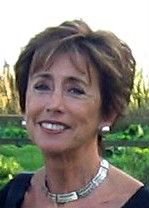
Marcela Contreras, Professor of Transfusion Medicine, Royal Free Hospital Medical School and National Director of Diagnostics Development and Research, NBS London, UK, has received the first-ever "International Woman in Transfusion Award."
As I wrote in an earlier blog (13 Nov. 2004), in 2004 three of the major transfusion medicine organizations in the world were led by women, and to honour the occasion, the organizations (AABB, BBTS, and ISBT) created this award.
The award recognizes women professionals whose cumulative record – in original research, innovative educational methods or outstanding clinical practice –demonstrates important and significant contributions to the body of medical and/or scientific knowledge or to the understanding and practice of transfusion medicine.
Dr. Contreras, MD, FRCP, FRCPath, is an active member of AABB, BBTS and ISBT and served as ISBT president (1996-98) and BBTS president (2001-03). She has written 100s of scientific papers (sample Medline citations) and many textbooks, including “Blood Transfusion in Clinical Medicine” with P.L. Mollison and C.P. Engelfriet.
Monday, September 26, 2005
Br Med J illustrations available as PowerPoint slides
The British Medical Journal has introduced several new features this week.
The one I like best allows readers to turn illustrations from BMJ articles into PowerPoint slides. It works for illustrations such as graphs and figures but not for tables.
After finding the desired illustration, select "View larger version" [in this window] or [in a new window], and then click on "PowerPoint Slide for Teaching."
Give the resulting Powerpoint slide a descriptive name and save it to your desktop or appropriate folder.
Try it out with any of the figures in this article:
Serious hazards of transfusion (SHOT) initiative: analysis of the first two annual reports. Br Med J 1999 Jul 3;319:16-9.
http://bmj.bmjjournals.com/cgi/content/full/319/7201/16
See the other new features:
http://bmj.bmjjournals.com/cgi/content/full/331/7518/650
What's New on TraQ
The one I like best allows readers to turn illustrations from BMJ articles into PowerPoint slides. It works for illustrations such as graphs and figures but not for tables.
After finding the desired illustration, select "View larger version" [in this window] or [in a new window], and then click on "PowerPoint Slide for Teaching."
Give the resulting Powerpoint slide a descriptive name and save it to your desktop or appropriate folder.
Try it out with any of the figures in this article:
Serious hazards of transfusion (SHOT) initiative: analysis of the first two annual reports. Br Med J 1999 Jul 3;319:16-9.
http://bmj.bmjjournals.com/cgi/content/full/319/7201/16
See the other new features:
http://bmj.bmjjournals.com/cgi/content/full/331/7518/650
What's New on TraQ
Subscribe to:
Posts (Atom)
